If you drive around Columbia long enough, your windshield will eventually meet a pebble on I-26, a dump truck on Two Notch, or a surprise temperature swing that turns a hairline chip into a spiderweb. When you finally call an auto glass shop in Columbia, the price quote is only half of the conversation. The warranty is the part that determines whether you’ll be calm or furious six months later when a faint distortion becomes obvious at sunrise on your commute.
I’ve managed and inspected windshield jobs across the Midlands for years, from mobile auto glass in West Columbia to in-bay calibrations near Harbison. Most customers remember the tint band and the rain sensor, then forget to read the paperwork. The result is predictable: confusion when a leak shows up after a thunderstorm, or when ADAS lane camera warnings start popping up after a replacement. Warranty terms vary more than people expect. The differences aren’t just legalese, they reflect what the shop is actually confident doing and what corners they won’t cut.
This is the guide I wish every driver had before they booked windshield replacement in Columbia. It explains which warranty clauses matter, how to test workmanship while you still have recourse, and what to ask an auto glass shop before your car ever rolls into the bay or a mobile tech shows up in your driveway.
What a meaningful windshield warranty actually covers
A good warranty does three jobs. It protects against adhesive failures, it guarantees the glass and parts meet the right specifications, and it accounts for any systems affected by the replacement, especially ADAS camera calibration.
The best shops in the area offer lifetime coverage on workmanship. That means if the urethane bond fails, the molding pops up, or the cowl starts buzzing, they’ll fix it without a clock ticking. In practice, “lifetime” means for as long as you own the vehicle. I’ve seen a well-bonded windshield stay silent and watertight for a decade, and I’ve seen a poorly set glass lift at the corner within a week. Adhesive failure often shows up early, but heat, humidity, and sloppy prep can take months to reveal themselves.
Glass quality is the next pillar. There are tiers: OEM, OEM-equivalent from contracted suppliers, and generic aftermarket. A credible warranty states that the part will meet or exceed DOT/ANSI standards, that it will fit correctly around sensors and brackets, and that optical distortion will be addressed. You’ll know you have a distortion problem when straight lines shimmy near the edge or a mild fishbowl effect appears at night. Columbia’s roads are full of subtle curves and lane markings that will drive you crazy if the optics aren’t right.
Finally, calibration. Most vehicles built in the last 7 to 8 years use a forward-facing camera behind the windshield to Auto Glass Columbia power lane keep assists, traffic sign recognition, and automatic high beams. After a windshield replacement Columbia drivers often need dynamic or static calibration, and sometimes both. A proper warranty clarifies whether calibration is included, outsourced, or excluded. If it’s included, it should spell out the remedy if a calibration fails. If it’s excluded, you need to budget and schedule that separately, because your dash might light up with warnings until you do.
The fine print that separates strong warranties from flimsy ones
Warranties that read like they’re trying too hard usually are. I look for three phrases that reveal the truth.
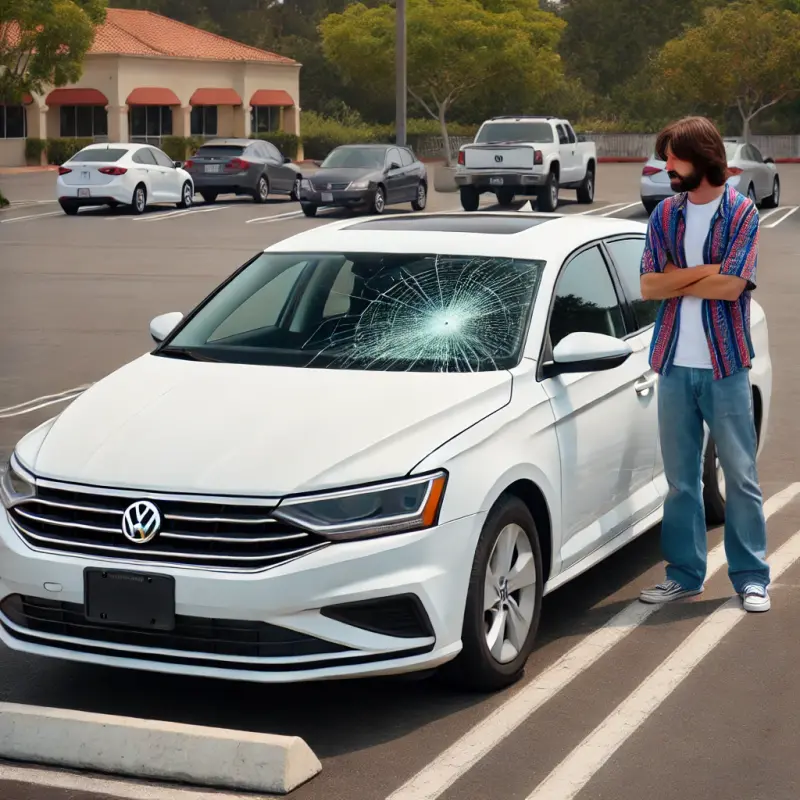
The first phrase is “stress crack” or “stress fracture.” If a crack radiates from the edge with no impact point, it might be a stress crack, often tied to improper installation or pinchweld contamination. A shop confident in its prep will cover stress cracks for a defined window, typically 30 to 90 days. If the warranty categorically excludes stress cracks from day one, that’s a sign they’ve had to pay for too many re-dos and learned to dodge them.
The second phrase is “leaks due to body condition.” It’s fair for a shop to exclude leaks caused by rusted pinchwelds or warped frames, but the warranty should explain how they document pre-existing issues. The better auto glass services in Columbia take photos of the pinchweld after de-trimming. They’ll show you bare metal, primer condition, and any prior damage before applying urethane. That documentation matters when a summer downpour reveals a drip at the A pillar.
The third phrase is “workmanship only” on mobile installs. Mobile auto glass in Columbia can be excellent if the tech is disciplined about temperature, humidity, and safe drive-away times. But the environment is unpredictable. Pollen season, surprise showers, and asphalt heat make adhesion tricky. If the warranty carves out weaker coverage for mobile jobs, ask why. Some shops have mobile specialists and full warranties. Others prefer to steer complex jobs to the shop.
How insurance and warranties interact in South Carolina
South Carolina is friendlier than most states when it comes to auto glass claims. Comprehensive policies from several carriers will cover windshield repair or replacement with little or no deductible if you carry full coverage. That’s why you see so many “zero out-of-pocket” ads for windshield replacement Columbia drivers scroll past on social media.
Insurance pays for the job, not the warranty. The shop’s warranty remains the shop’s promise to you. If you’re going through insurance, confirm you’re not getting shunted to the cheapest tier of glass or losing calibration coverage to fit a network price. Carriers use third-party administrators that route jobs to preferred providers. You can choose another auto glass shop in Columbia, but you’ll need to state that clearly when the claim opens. If you do, make sure the shop you choose can bill your carrier directly and issue their standard warranty without exceptions.
For windshield chip repair Columbia insurers almost always waive deductibles because it prevents larger claims later. Chip repair warranties are typically simpler: if the chip spreads, the shop credits the cost of the repair toward a new windshield. That does not mean the shop pays your deductible on a replacement. It means you don’t pay twice for an attempt to save the glass.
OEM, OE-equivalent, and aftermarket: how warranty terms differ
I’ve watched owners agonize over this choice. On some vehicles it’s academic, on others it’s the difference between smooth commutes and headaches.
OEM glass carries the automaker logo and matches the original specs. It’s often more expensive by 20 to 60 percent. Warranty-wise, shops tend to be more comfortable covering distortion claims and sensor fitment when the part is OEM. If a lane camera struggles to calibrate, OEM reduces variables. On German brands and some Toyota and Honda models with complex acoustic layers or heads-up display zones, OEM can be worth it.
OE-equivalent glass comes from the same suppliers, without the automaker branding. Quality can be excellent. A solid warranty will treat OE-equivalent almost the same as OEM, especially for everyday vehicles like Camry, F-150, or CR-V. Aftermarket generic glass varies more. A good Columbia auto glass shop will still warranty it for leaks and workmanship, but may limit optical distortion claims to an exchange rather than a refund, and only within a short period.
Ask the shop whether their warranty policy changes with the glass tier. If it does, ask for the differences in writing. If you drive a car with a heated wiper park area, solar coatings, or acoustic laminates, mismatches are more likely with generic glass. Pay attention to those options on your build sheet.
The calibration clause you should not skim
ADAS calibration is where many warranties try to tiptoe. I’ve seen three common approaches.
Some shops include calibration in-house, same day, with a written certificate. Their warranty states that the ADAS functions will meet manufacturer specifications or they will re-calibrate or refund the calibration portion. This is the gold standard.
Others subcontract calibration to a specialty vendor or dealership. The shop coordinates, you get two invoices or line items, and the warranty for calibration comes from the calibrator. This can work fine, but your recourse will be split between businesses if something goes wrong.
A third group excludes calibration entirely. They replace the glass, clear codes, and send you to the dealership with a note. The price might look great until you add the calibration. More importantly, the separation introduces risk. If the dealership can’t calibrate due to glass tolerances, you’ll be caught between parties trading blame.
Columbia has a wide range of road conditions for dynamic calibration, from steady loops near the Vista to mixed speeds on Clemson Road. Static calibration rigs need level floors, correct targets, and lighting within spec. If a shop claims they can calibrate in your driveway, ask how they meet manufacturer requirements. A mobile setup can pull this off if they bring target stands, level mats, and control the environment, but it’s rare.
The difference between a leak fix and a re-install
Workmanship coverage typically promises to fix leaks, rattles, or wind noise. The remedy matters. Injecting more urethane along the edge can mask a problem without addressing adhesion to the pinchweld. The cleaner fix is to cut the glass out, remove contaminated adhesive, and re-install with fresh primer and urethane. A strong warranty will reserve the right to re-install and will do so if the problem emerges at a corner or along the bottom edge where structural bonding matters most.
If the shop proposes surface sealing as a first attempt, that can be fine for minor air noise at the molding. If water tracking appears behind the A pillar trim, push for a full evaluation. I’ve crawled under plenty of dashboards with a borescope and found urethane that never bonded because a tech rushed the primer flash time. That is not a bead-on-the-edge fix.
How to read the exclusions without getting spooked
Warranties exclude a lot. Most exclusions are reasonable. Here are some you’ll commonly see and what they mean in practice:
- Pre-existing rust or body damage around the glass opening: If rust is present, adhesion suffers. A conscientious shop will stop and show you photos. They may offer to treat small spots or refer you to body repair for larger areas. If they proceed, they’ll note the risk and carve out leak coverage tied to the rusted area. Damage from subsequent impacts: If a new chip appears, the shop can’t be responsible. That said, if the impact is minor and the glass cracks along the edge, good shops will inspect for a weak bond. If they find installation contributed, they’ll often help even if the exclusion technically protects them. Aftermarket accessories interfering with sensors or moldings: Dash cams glued in the camera zone, universal rain sensor gel pads, or cheap moldings can cause trouble. If you’ve added anything near the top center of the windshield, remove it before the appointment and mention it. Safe drive-away violations: Urethane cures based on temperature and humidity. If you drive before the safe time, you can shift the glass and compromise the seal. Shops should mark the time on your invoice. If you left early, they can legitimately deny coverage for related issues. I’ve seen customers leave a downtown garage 30 minutes early and return with a wind whistle that wasn’t there before.
The mobile auto glass Columbia reality check
Mobile service is popular for good reasons. It saves time, avoids rideshares, and fits the errand into your workday. The best mobile technicians are meticulous. They carry moisture meters, infrared thermometers, and use precise lift tools to avoid scratching the pinch weld. They set up canopy tents when weather threatens and reschedule when conditions jeopardize safety. Those techs deliver results that deserve full warranties.
The risk comes from rushed schedules and weather days that should have been rescheduled. Pollen season in Columbia coats everything in yellow dust. If a tech doesn’t thoroughly clean the bonding area, that dust becomes a release layer under the urethane. High summer heat on asphalt can raise glass temperatures well above ambient, which shortens open time and can cause skinning. If a tech isn’t adjusting technique, the bond can suffer.
Ask a simple question: if we do this mobile, is the warranty identical to an in-shop install? If the answer is yes, you’ve learned something about their confidence and process. If the answer is no, ask what conditions trigger a reschedule, and how they protect the bond in our climate.
Repair versus replace, and how warranties differ
Windshield chip repair in Columbia works well on small, clean impacts that haven’t spread. A repair warranty usually promises that the damage won’t spread from the repaired point and that the visual clarity will improve. It doesn’t promise invisibility. The best resin work still leaves a faint shadow.
Shops typically credit the cost of a failed repair toward a replacement if the break grows. If you’re filing through insurance, that credit goes to the carrier, not your pocket. The warranty shouldn’t exclude repairs on the edge, but you’ll be warned that edge repairs have a higher chance of spreading. On a tempered side window, repairs aren’t possible. Car window repair in Columbia means replacement of the pane and a simpler warranty: parts fit, regulators function, no rattles.
If you’re dealing with a cracked windshield in Columbia that started as a small chip, ask the shop to separate the resin injection warranty from the glass replacement terms. It keeps the bookkeeping straight if you end up doing both within a short time.
What a solid auto glass shop Columbia contract looks like
On paper, a strong warranty is short, clear, and specific. I look for the following:
- Lifetime workmanship coverage for leaks, wind noise, and molding fit while you own the vehicle, with documented exceptions for rust or body damage. Defined coverage for glass quality issues, particularly optical distortion and sensor mounting brackets, with a straightforward exchange policy within 30 to 90 days. Explicit ADAS calibration handling: included in-house with certification, or subcontracted with named partner and clear recourse, or excluded with a recommendation and estimate before scheduling. Safe drive-away time noted on the invoice, adjusted for weather, along with the urethane brand used. Serious shops don’t hide their materials. Photo documentation of the pinchweld before bonding, especially if they find rust or previous damage. The photos protect both of you.
When a shop can walk you through these points without hedging, you’re in good hands. If you’re getting vague answers or boilerplate copied from a national chain’s lawyer, consider another option.
Edge cases you should anticipate before you sign
I’ll share a few scenarios that show up more than you’d expect.
On a rainy week, you schedule mobile auto glass in a parking garage. The tech arrives and says the humidity is too high for the urethane they carry. The responsible call is to reschedule or switch to a fast-cure urethane rated for the conditions. If they push forward with the wrong adhesive, your warranty is on shaky ground even if it says “lifetime.” Adhesive manufacturers publish cure charts for a reason.
You drive a vehicle with an aftermarket windshield the dealer installed two owners ago. The mirror bracket is slightly off-spec. The new glass fits, but the camera bracket doesn’t align perfectly with the housing. Calibration fails at 80 percent complete. A good warranty covers the bracket issue as a parts fitment problem and swaps the pane for a brand with the correct mount. A weak warranty will try to charge you for repeated calibrations.
Your vehicle has a small amount of rust at the lower corners. The shop treats it with primer and proceeds, noting the risk. Six months later, you notice a damp carpet after a thunderstorm. The leak tracks to the treated corner. A balanced warranty will bring you back, re-evaluate the rust, and if their repair didn’t hold, they’ll redo it or refer you to a body shop, then reinstall at reduced or no labor cost. This is where shop culture matters more than the legal text.
How to vet an auto glass shop in Columbia in five minutes
If you like quick checklists, this is the one I give friends.
- Ask which urethane they use and what the safe drive-away time will be that day. The answer should include a brand and a time window tied to conditions. Ask whether ADAS calibration is included and how they certify it. Look for the words “in-house,” “static or dynamic,” and “printout.” Ask what changes, if anything, in their warranty for mobile versus in-shop jobs. You want “nothing changes.” Ask how they handle optical distortion complaints. A fair shop offers an exchange within a set period. Ask whether the warranty transfers if you sell the car. Many don’t, but the answer tells you how they view their obligations.
That quick conversation reveals whether you’re dealing with a thoughtful operation or a volume mill.
What to expect the day of service
Plan for more than just the time the tech is on-site. A high-quality windshield replacement Columbia drivers can trust starts with preparation. The cowl and moldings come off, the old urethane is cut down to a thin layer called full-cut, the pinch weld is cleaned, scuffed, and primed, and the new glass is dry-fit before adhesive. The bead is laid in a V profile with consistent height, then the glass is set with vacuum cups or a lift arm. On vehicles with rain and light sensors, the gel pad is replaced, not reused. The mirror and covers go back after the urethane skins. If calibration is part of the job, that follows once the glass is secure.
Expect warnings about car washes for 24 to 48 hours and instructions to leave a window cracked slightly on a hot day to relieve pressure. If the shop hands you a warranty card or email, read it that night. If something feels off during your first highway drive or a downpour the following week, report it immediately. Warranties are sharpest at the beginning.
How auto glass replacement fits into Columbia’s climate and roads
Our summers cook cars. Black dashboards can hit 160 degrees in the sun. Heat isn’t the enemy of urethane, but it changes timing. Technicians who work in Columbia learn to adjust open time and set time. Afternoon storms test seals quickly. Pollen season forces extra cleaning. Winter cold snaps can widen existing chips overnight. If you book windshield repair Columbia in late winter, get it done within days, not weeks.
Road construction on I-26 and the frequent gravel shoulder work around Lexington create chip risk that never goes away. If you live near Lake Murray and take SC-6 regularly, you’ll see more debris than a downtown driver. That context should nudge you toward a shop with quick-response chip repair services and a forgiving policy about crediting repairs toward replacements. Convenient hours beat fancy lobbies when a fresh star break shows up Saturday morning.
A quick word on side and rear glass warranties
Vehicle glass repair in Columbia isn’t just windshields. Tempered side windows and back glass shatter differently and don’t require bonding to the body the same way. The warranty here typically focuses on parts, regulator function, and water management through door vapor barriers. If you hear rattles after a door glass replacement or see moisture on the inside of the door after a wash, return promptly. The fix is usually a vapor barrier re-seal or a minor regulator adjustment, both covered under workmanship.
Heated back glass introduces a couple of twists. Defroster tabs can break during removal, and antennas embedded in the glass must function afterward. Make sure the warranty addresses these features. A careful tech will test them before and after, which is the right way to avoid arguments later.
Red flags that suggest warranty trouble later
You don’t need a trained eye to spot trouble early. If a shop refuses to list the glass brand on the invoice, that’s odd. If they downplay calibration and say, “It usually resets itself,” walk away. If the quote is mysteriously lower than competitors by 30 percent while promising OEM glass, something won’t match at install time. If a mobile tech won’t reschedule during active rain, they’re prioritizing schedule over adhesion. If the warranty requires you to bring the car in for inspection within an unrealistically short window for any complaint, they’re trying to limit liability rather than fix problems.
Bringing it all together
A windshield is part safety device, part sensor housing, part noise barrier, and always part of your daily view of the road. Price matters, but the value shows up in the months after the install. In Columbia, where summer storms test seals and ADAS-equipped cars are now everywhere, a smart warranty is not a luxury. It’s the difference between a one-and-done repair and repeat visits.
If you need auto glass replacement Columbia services this month, start with a conversation about the warranty. Bring up the specifics: workmanship duration, glass quality remedies, calibration process, mobile conditions, and safe drive-away. Ask for documentation and keep it. Choose a shop that treats those questions as routine, not as a challenge. Whether you end up at a small local auto glass shop Columbia residents swear by, or a larger outfit with a dedicated calibration bay, you want the same thing: a quiet cabin in a downpour, a clean lane line in the morning sun, and a piece of paper that means something if either of those starts to slip.
And when a pebble finds your new windshield anyway, which happens even on the best roads, call for windshield chip repair as soon as you park. A ten-minute resin fill often keeps a repair from turning into another replacement and another round of paperwork. The right shop understands both sides of that equation and writes a warranty that respects your time, your car, and the way we actually drive around here.